Buy waptop.eu ?
We are moving the project
waptop.eu .
Are you interested in purchasing the domain
waptop.eu ?
domain@kv-gmbh.de · 0541-91531010
Buy waptop.eu ?
What are demonstrative pronouns and relative pronouns?
Demonstrative pronouns are pronouns that are used to point to specific things or people. Examples of demonstrative pronouns include "this," "that," "these," and "those." Relative pronouns are pronouns that introduce dependent clauses and connect them to independent clauses. Examples of relative pronouns include "who," "whom," "whose," "which," and "that." **
Why are demonstrative pronouns called demonstrative pronouns?
Demonstrative pronouns are called demonstrative because they demonstrate or point to a specific noun or pronoun in a sentence. They help to indicate the position or location of the noun or pronoun in relation to the speaker or listener. By using demonstrative pronouns such as "this," "that," "these," and "those," speakers can make their communication more precise and clear by specifying which person, place, thing, or idea they are referring to. **

Similar search terms for Pronouns
Top-Angebote
Products related to Pronouns:
-
eufy Network Video Recorder S4 for Home Security CamerasLocal AI Agent: Unlock proactive, real-time security with our local AI agent, fueled by 6T/8-Core power for instant analysis, genuine threat identification, and decisive action. Customize no-go zones and alerts, enabling AI to accurately detect real...599,99 $*Shipping: 0,00 $Secure redirect to the provider
-
Uplift Picks PetSnowy Cat Litter Box Deodorizing Tablets Garbage Bags And Feeder Desiccant Replacement Accessories aKeep your cat care routine cleaner, fresher, and easier to manage every day. These PetSnowy accessories are replacement consumables made for PetSnowy cat toilet and feeder systems. Choose from cat litter box deodorizer tablets, fitted waste bags, or...127,98 $*Shipping: 0,00 $Secure redirect to the provider
-
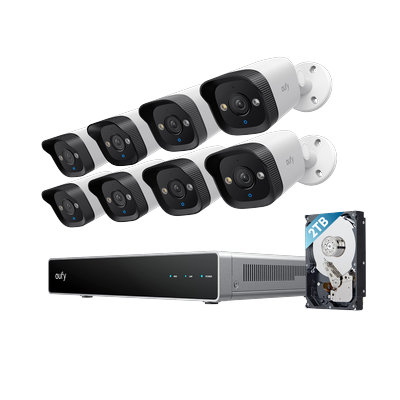
eufy PoE NVR Security System E40- 8× 4K Bullet Cameras4K UHD & 122° WIDE-ANGLE FOV: Experience stunning 4K Ultra HD resolution for incredibly sharp, lifelike video, while the wide 122° Field of View offers comprehensive coverage, perfect for capturing dynamic environments in exceptional detail...899,99 $*Shipping: 0,00 $Secure redirect to the provider



-
With which pronouns do many people confuse reflexive pronouns?
Many people confuse reflexive pronouns with personal pronouns. For example, they may use "myself" or "yourself" instead of "me" or "you" in a sentence. This confusion often occurs when people are trying to emphasize the subject of the sentence, but they mistakenly use a reflexive pronoun instead of a personal pronoun. It's important to understand the difference between reflexive and personal pronouns in order to use them correctly in sentences. **
-
What are pronouns?
Pronouns are words that are used in place of nouns to avoid repetition in a sentence. They can refer to people, places, things, or ideas. Pronouns help make sentences clearer and more concise by replacing specific nouns with general words like "he," "she," "it," "they," and "we." Using pronouns also helps to maintain the flow of writing and make it more engaging for the reader. **
-
Can you help me with personal pronouns and possessive pronouns?
Certainly! Personal pronouns are used to replace nouns in a sentence, such as "I", "you", "he", "she", "it", "we", and "they". Possessive pronouns show ownership or possession, such as "mine", "yours", "his", "hers", "ours", and "theirs". If you need help understanding how to use these pronouns in a sentence or identifying which pronoun to use in a specific context, feel free to ask for more guidance. **
-
What is the difference between relative pronouns and interrogative pronouns?
Relative pronouns are used to connect a dependent clause to an independent clause, providing more information about a noun in the independent clause. They include words like "who," "which," and "that." Interrogative pronouns, on the other hand, are used to ask questions and gather information. They include words like "who," "what," "which," "whom," and "whose." The main difference between the two is their function in a sentence - relative pronouns connect clauses, while interrogative pronouns are used to ask questions. **


What is the difference between personal pronouns and reflexive pronouns?
Personal pronouns are used to refer to people or things, such as "I," "you," "he," "she," "it," "we," and "they." Reflexive pronouns, on the other hand, are used when the subject and object of a sentence are the same person or thing, such as "myself," "yourself," "himself," "herself," "itself," "ourselves," and "themselves." Reflexive pronouns are used to reflect the action back onto the subject, while personal pronouns simply refer to the subject or object. **
Which pronouns do many people often confuse with reflexive pronouns?
Many people often confuse reflexive pronouns with intensive pronouns. Intensive pronouns are used to emphasize a preceding noun or pronoun, while reflexive pronouns are used when the subject and object of a sentence are the same. For example, "I myself will do it" uses an intensive pronoun, while "I hurt myself" uses a reflexive pronoun. It is important to understand the distinction between these two types of pronouns to use them correctly in sentences. **
Top-Angebote
Products related to Pronouns:
-
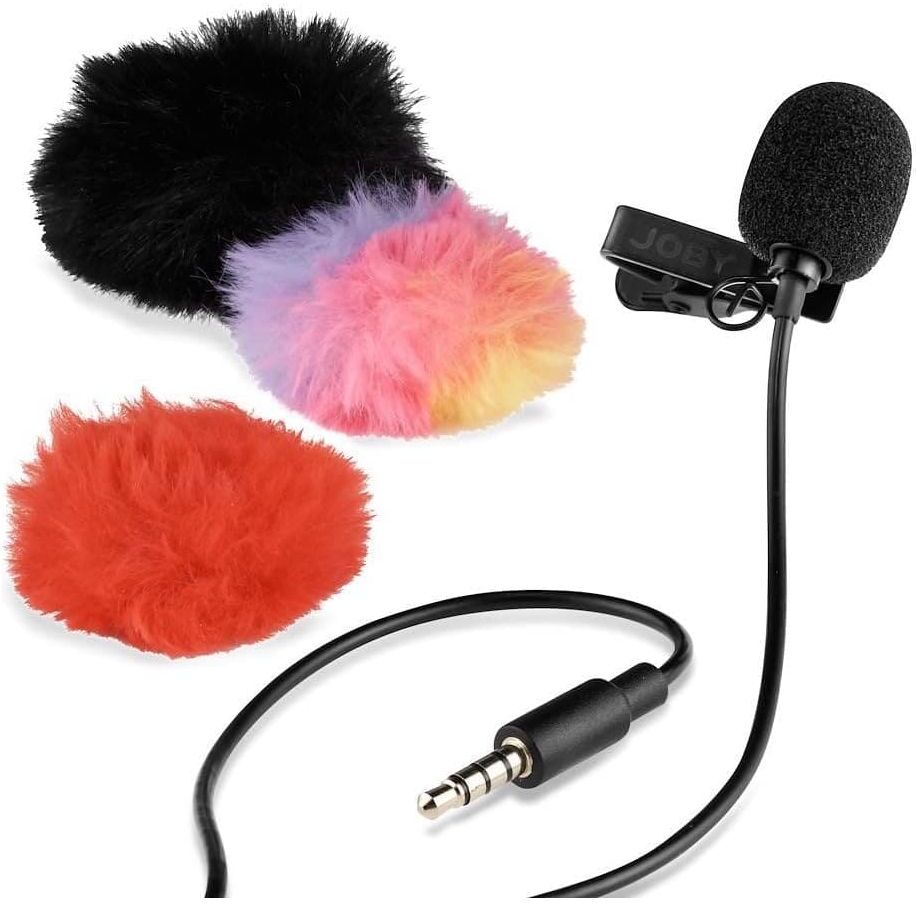
Joby Wavo Lav Mobile Microphone, Lavalier Microphone with Clip, Portable Microphone for Smartphones and Cameras, NewPortable: The Wavo Lav Mobile is compact and easily portable, making it an excellent secondary microphone alongside shotgun microphones. It's the ideal choice for content creators who frequently travel. Versatile Setup: Its small capsule size and generous 1.8m cable length open up various creative setup possibilities. Exceptional Audio Quality: Despite its small size and lightweight design, the Wavo Lav Mobile delivers high-quality audio recordings free from background noise. Simple Installation: Enjoy hassle-free assembly by merely plugging the microphone into your phone or camera; no additional setup or app downloads required. It includes a TRRS smartphone cable and a TRS camera adapter. Personalized Aesthetics: The microphone offers three Windjammers in different colors - black, red, and rainbow - allowing you to choose the style that suits you best.44,99 £*Shipping: 0,00 £Secure redirect to the provider
-
Verbatim USB-C Multiport Hub, USB C Adapter Made Aluminum for Laptops MacBooks and Smartphones, Multimedia Adapter Plug with Four USB 3.2 Gen 1 Ports - SilverExpand your connectivity with the sleek and compact Verbatim USB-C Multiport Hub in Silver , crafted from durable aluminum for a premium look and reliable performance. Designed for laptops, MacBooks, tablets, and USB-C smartphones, this multimedia adapter features four USB 3.2 Gen 1 ports , allowing you to connect multiple peripherals like flash drives, keyboards, mice, and external hard drives at once. With plug-and-play functionality, this USB-C hub is perfect for boosting productivity at home, in the office, or on the go—no drivers or software needed. ✔️ Key Features: ✔️ 4 x USB 3.2 Gen 1 ports for high-speed data transfer (up to 5Gbps) ✔️ USB-C interface – compatible with MacBooks, laptops, tablets, and smartphones ✔️ Sleek and durable aluminum housing for heat dissipation and a premium finish ✔️ Plug-and-play – no additional drivers or software required ✔️ Compact and lightweight design – ideal for travel and mobile setups ✔️ Supports simultaneous connection of multiple USB devices ✔️ Backward compatible with USB 2.0 and 1.1 devices ✔️ Perfect for expanding connectivity on thin-and-light devices with limited ports ✔️ Stylish silver color to match modern tech aesthetics ✔️ Reliable Verbatim quality and universal USB-C compatibility The Verbatim USB-C Multiport Hub – Silver is a versatile and stylish solution for anyone needing more ports on modern USB-C devices. Whether you're working, studying, or streaming, this compact hub makes connecting multiple devices simple and efficient—making it a must-have accessory for your everyday tech setup.19,99 £*Shipping: 0,00 £Secure redirect to the provider
-
eufy Network Video Recorder S4 for Home Security CamerasLocal AI Agent: Unlock proactive, real-time security with our local AI agent, fueled by 6T/8-Core power for instant analysis, genuine threat identification, and decisive action. Customize no-go zones and alerts, enabling AI to accurately detect real...599,99 $*Shipping: 0,00 $Secure redirect to the provider
-
What are demonstrative pronouns and relative pronouns?
Demonstrative pronouns are pronouns that are used to point to specific things or people. Examples of demonstrative pronouns include "this," "that," "these," and "those." Relative pronouns are pronouns that introduce dependent clauses and connect them to independent clauses. Examples of relative pronouns include "who," "whom," "whose," "which," and "that." **
-
Why are demonstrative pronouns called demonstrative pronouns?
Demonstrative pronouns are called demonstrative because they demonstrate or point to a specific noun or pronoun in a sentence. They help to indicate the position or location of the noun or pronoun in relation to the speaker or listener. By using demonstrative pronouns such as "this," "that," "these," and "those," speakers can make their communication more precise and clear by specifying which person, place, thing, or idea they are referring to. **
-
With which pronouns do many people confuse reflexive pronouns?
Many people confuse reflexive pronouns with personal pronouns. For example, they may use "myself" or "yourself" instead of "me" or "you" in a sentence. This confusion often occurs when people are trying to emphasize the subject of the sentence, but they mistakenly use a reflexive pronoun instead of a personal pronoun. It's important to understand the difference between reflexive and personal pronouns in order to use them correctly in sentences. **
-
What are pronouns?
Pronouns are words that are used in place of nouns to avoid repetition in a sentence. They can refer to people, places, things, or ideas. Pronouns help make sentences clearer and more concise by replacing specific nouns with general words like "he," "she," "it," "they," and "we." Using pronouns also helps to maintain the flow of writing and make it more engaging for the reader. **
Similar search terms for Pronouns
-
Uplift Picks PetSnowy Cat Litter Box Deodorizing Tablets Garbage Bags And Feeder Desiccant Replacement Accessories aKeep your cat care routine cleaner, fresher, and easier to manage every day. These PetSnowy accessories are replacement consumables made for PetSnowy cat toilet and feeder systems. Choose from cat litter box deodorizer tablets, fitted waste bags, or...127,98 $*Shipping: 0,00 $Secure redirect to the provider
-
eufy PoE NVR Security System E40- 8× 4K Bullet Cameras4K UHD & 122° WIDE-ANGLE FOV: Experience stunning 4K Ultra HD resolution for incredibly sharp, lifelike video, while the wide 122° Field of View offers comprehensive coverage, perfect for capturing dynamic environments in exceptional detail...899,99 $*Shipping: 0,00 $Secure redirect to the provider
-
eufy PoE NVR Security System S4 Max + 2 Bullet CamerasThe Ultimate 4-Cam System: Safeguard every corner with two 4K bullet cameras for key areas, four bullet-PTZs for a wide 4K view, and one 2K PTZ for 8× zoom and seamless 360° coverage for intelligent, active monitoring. Powered by AI-ISP for vibrant...1199,99 $*Shipping: 0,00 $Secure redirect to the provider
-
eufy PoE NVR Security System S4 Max + 2 Turret CamerasThe Ultimate 4-Cam System: Safeguard every corner with two 4K turret cameras for key areas, four bullet-PTZs for a wide 4K view, and one 2K PTZ for 8× zoom and seamless 360° coverage for intelligent, active monitoring. Powered by AI-ISP for vibrant...1199,99 $*Shipping: 0,00 $Secure redirect to the provider
-
Can you help me with personal pronouns and possessive pronouns?
Certainly! Personal pronouns are used to replace nouns in a sentence, such as "I", "you", "he", "she", "it", "we", and "they". Possessive pronouns show ownership or possession, such as "mine", "yours", "his", "hers", "ours", and "theirs". If you need help understanding how to use these pronouns in a sentence or identifying which pronoun to use in a specific context, feel free to ask for more guidance. **
-
What is the difference between relative pronouns and interrogative pronouns?
Relative pronouns are used to connect a dependent clause to an independent clause, providing more information about a noun in the independent clause. They include words like "who," "which," and "that." Interrogative pronouns, on the other hand, are used to ask questions and gather information. They include words like "who," "what," "which," "whom," and "whose." The main difference between the two is their function in a sentence - relative pronouns connect clauses, while interrogative pronouns are used to ask questions. **
-
What is the difference between personal pronouns and reflexive pronouns?
Personal pronouns are used to refer to people or things, such as "I," "you," "he," "she," "it," "we," and "they." Reflexive pronouns, on the other hand, are used when the subject and object of a sentence are the same person or thing, such as "myself," "yourself," "himself," "herself," "itself," "ourselves," and "themselves." Reflexive pronouns are used to reflect the action back onto the subject, while personal pronouns simply refer to the subject or object. **
-
Which pronouns do many people often confuse with reflexive pronouns?
Many people often confuse reflexive pronouns with intensive pronouns. Intensive pronouns are used to emphasize a preceding noun or pronoun, while reflexive pronouns are used when the subject and object of a sentence are the same. For example, "I myself will do it" uses an intensive pronoun, while "I hurt myself" uses a reflexive pronoun. It is important to understand the distinction between these two types of pronouns to use them correctly in sentences. **
* All prices are inclusive of VAT and, if applicable, plus shipping costs. The offer information is based on the details provided by the respective shop and is updated through automated processes. Real-time updates do not occur, so deviations can occur in individual cases. ** Note: Parts of this content were created by AI.