Buy waptop.eu ?
We are moving the project
waptop.eu .
Are you interested in purchasing the domain
waptop.eu ?
domain@kv-gmbh.de · 0541-91531010
Buy waptop.eu ?
Can you plug DVI-I into DVI-D?
Yes, you can plug a DVI-I cable into a DVI-D port. DVI-I cables have both digital and analog signals, while DVI-D ports only accept digital signals. When you plug a DVI-I cable into a DVI-D port, the analog pins on the DVI-I cable will simply not be used, and the digital signal will still be transmitted successfully. However, if you try to plug a DVI-D cable into a DVI-I port, it will not work because the DVI-I port expects to receive both digital and analog signals. **
What does DVI-D mean on a DVI connector?
DVI-D on a DVI connector stands for Digital Visual Interface - Digital. It indicates that the connector supports only digital signals, not analog signals. This type of connector is commonly used for connecting digital displays such as LCD monitors to computers or other devices. **
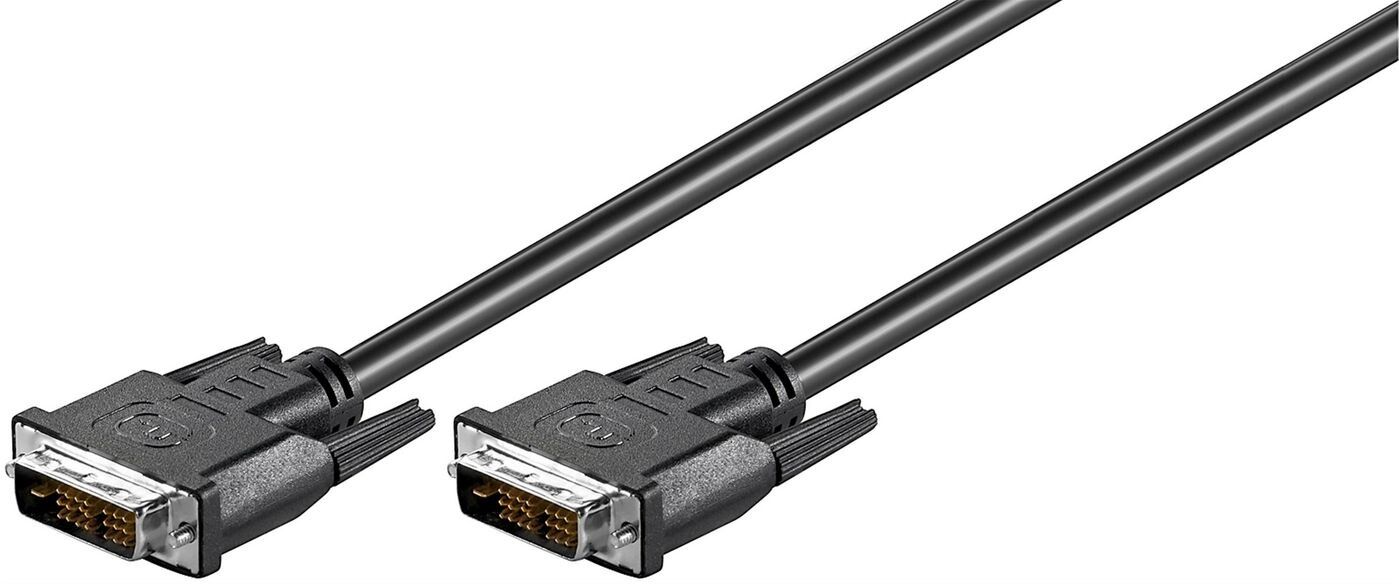
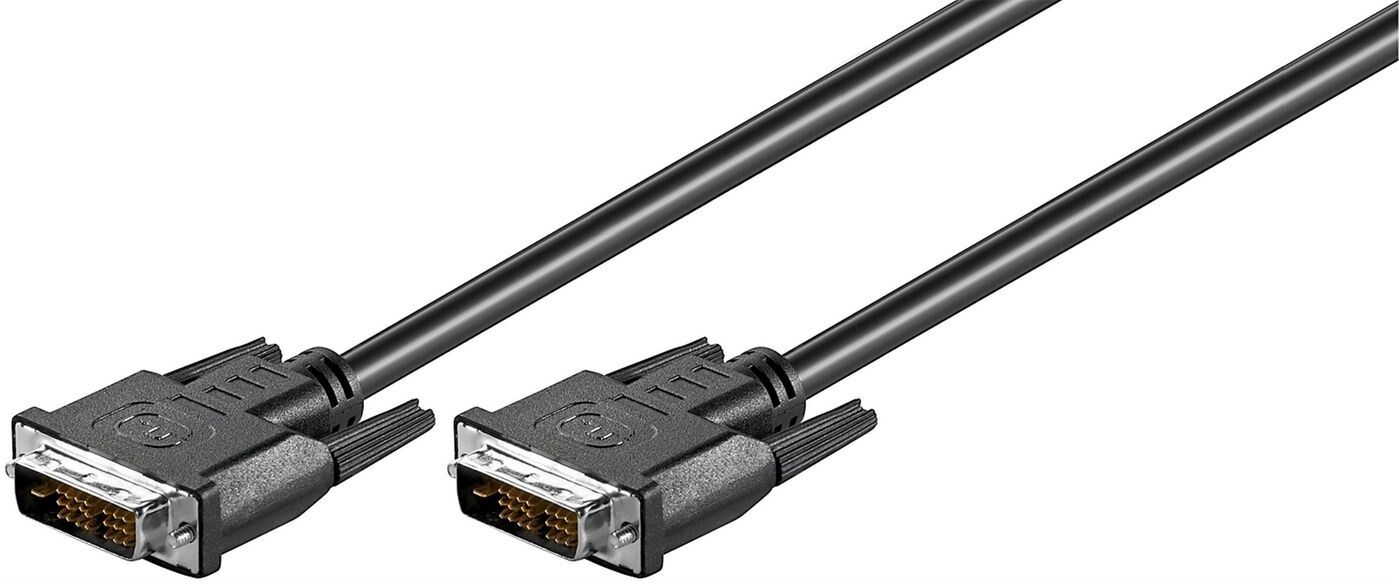
Similar search terms for Microconnect-Full-HD-DVI-D
Top-Angebote
Products related to Microconnect-Full-HD-DVI-D:
-
MicroConnect Full HD DVI-I (12+5) to VGA Cable Male to Male 2m - Black (50990)DVI-I (12+5 pin) male to VGA (15-pin D-Sub) male cable, 2 m, black. Carries the analogue video signal from a DVI-I output on a PC to a VGA monitor, up to Full HD 1080p.19,49 £*Shipping: 0,00 £Secure redirect to the provider
-
Microconnect DisplayPort 1.2 to DVI-D Dual Link Cable 3mMicroConnect DisplayPort 1.2 to DVI-D dual link cable, 3m long (part number DP-DVI-MM-300). It connects a computer, laptop or graphics card with a DisplayPort output to a monitor or projector with a DVI-D input.DisplayPort male to DVI-D (24+1) dual link maleResolutions up to 1920 x 1080HDCP 1.3 and 3D supportedCopper conductors (30 AWG), black PVC jacket, 6mm cable diameterCable length: 3mThe signal runs one way, from the DisplayPort source to the DVI display.23,49 £*Shipping: 0,00 £Secure redirect to the provider


-
What is the difference between DVI-D Single Link and DVI-D Dual Link?
The main difference between DVI-D Single Link and DVI-D Dual Link is the amount of data they can transmit. DVI-D Single Link can transmit up to 3.96 Gbps of data, while DVI-D Dual Link can transmit up to 7.92 Gbps. This means that DVI-D Dual Link can support higher resolutions and refresh rates compared to DVI-D Single Link. Additionally, DVI-D Dual Link cables have more pins compared to DVI-D Single Link cables, allowing for the increased data transmission. **
-
Is the DVI-D cable correct?
To determine if the DVI-D cable is correct, you should first check if it matches the input and output ports of the devices you are connecting. DVI-D cables have a single flat blade on one side of the connector, so make sure it matches the port on your monitor or other device. Additionally, ensure that the cable is in good condition with no visible damage to the connectors or the cable itself. If the cable meets these criteria, it is likely the correct DVI-D cable for your setup. **
-
How do I connect a DVI-I to a DVI-D?
To connect a DVI-I to a DVI-D, you will need a DVI-I to DVI-D adapter. The DVI-I end of the adapter will plug into the DVI-I port on your device, and the DVI-D end will connect to the DVI-D cable. This adapter allows you to convert the DVI-I signal to a DVI-D signal, ensuring compatibility between the two types of connectors. Simply plug in the adapter on one end and the DVI-D cable on the other end to establish the connection. **
-
Why doesn't DVI-D work on DisplayPort?
DVI-D and DisplayPort are two different types of video connections that are not directly compatible with each other. DVI-D is a digital video interface, while DisplayPort is a newer digital display interface that supports higher resolutions and refresh rates. In order to connect a device with a DVI-D output to a DisplayPort input, you would need an adapter or converter to convert the signal from one format to the other. **


What should be considered with DVI-D?
When working with DVI-D, it is important to consider the compatibility of devices. Ensure that both the source (such as a computer or DVD player) and the display (such as a monitor or projector) support DVI-D connections. Additionally, check the cable quality and length to prevent signal degradation. Lastly, be aware that DVI-D does not support audio transmission, so a separate audio connection may be needed for sound. **
What do D-Sub and DVI mean?
D-Sub stands for "D-Subminiature" and refers to a type of connector commonly used for analog video signals, such as VGA. It is characterized by its trapezoidal shape and multiple pins. DVI stands for "Digital Visual Interface" and is a type of connector used for transmitting digital video signals. It comes in different variants, including DVI-D (digital only), DVI-I (integrated digital and analog), and DVI-A (analog only). Both D-Sub and DVI connectors are commonly found on computer monitors and other display devices. **
Top-Angebote
Products related to Microconnect-Full-HD-DVI-D:
-
Microconnect Full HD DVI-D (18+1) Single Link Cable Black - 1mMicroConnect DVI-D (18+1) Single Link Full HD cable, 1m, black (manufacturer part MONCCS1). It has a DVI-D male connector at each end and carries a digital video signal from a computer or graphics card to a monitor, projector or other display with a DVI-D or DVI-I input. Supports resolutions up to Full HD 1080p (1920 x 1080). As a single-link cable it does not carry dual-link resolutions such as 2560 x 1600.19,49 £*Shipping: 0,00 £Secure redirect to the provider
-
Microconnect Full HD DVI-D (18+1) Single Link Cable Black - 2mMicroConnect DVI-D (18+1) Single Link Full HD cable, 2m, black (manufacturer part MONCCS2). It has a DVI-D male connector at each end and carries a digital video signal from a computer or graphics card to a monitor, projector or other display with a DVI-D or DVI-I input. Supports resolutions up to Full HD 1080p (1920 x 1080). As a single-link cable it does not carry dual-link resolutions such as 2560 x 1600.18,49 £*Shipping: 0,00 £Secure redirect to the provider
-
MicroConnect Full HD DVI-I (12+5) to VGA Cable Male to Male 2m - Black (50990)DVI-I (12+5 pin) male to VGA (15-pin D-Sub) male cable, 2 m, black. Carries the analogue video signal from a DVI-I output on a PC to a VGA monitor, up to Full HD 1080p.19,49 £*Shipping: 0,00 £Secure redirect to the provider
-
Can you plug DVI-I into DVI-D?
Yes, you can plug a DVI-I cable into a DVI-D port. DVI-I cables have both digital and analog signals, while DVI-D ports only accept digital signals. When you plug a DVI-I cable into a DVI-D port, the analog pins on the DVI-I cable will simply not be used, and the digital signal will still be transmitted successfully. However, if you try to plug a DVI-D cable into a DVI-I port, it will not work because the DVI-I port expects to receive both digital and analog signals. **
-
What does DVI-D mean on a DVI connector?
DVI-D on a DVI connector stands for Digital Visual Interface - Digital. It indicates that the connector supports only digital signals, not analog signals. This type of connector is commonly used for connecting digital displays such as LCD monitors to computers or other devices. **
-
What is the difference between DVI-D Single Link and DVI-D Dual Link?
The main difference between DVI-D Single Link and DVI-D Dual Link is the amount of data they can transmit. DVI-D Single Link can transmit up to 3.96 Gbps of data, while DVI-D Dual Link can transmit up to 7.92 Gbps. This means that DVI-D Dual Link can support higher resolutions and refresh rates compared to DVI-D Single Link. Additionally, DVI-D Dual Link cables have more pins compared to DVI-D Single Link cables, allowing for the increased data transmission. **
-
Is the DVI-D cable correct?
To determine if the DVI-D cable is correct, you should first check if it matches the input and output ports of the devices you are connecting. DVI-D cables have a single flat blade on one side of the connector, so make sure it matches the port on your monitor or other device. Additionally, ensure that the cable is in good condition with no visible damage to the connectors or the cable itself. If the cable meets these criteria, it is likely the correct DVI-D cable for your setup. **
Similar search terms for Microconnect-Full-HD-DVI-D
-
Microconnect DisplayPort 1.2 to DVI-D Dual Link Cable 3mMicroConnect DisplayPort 1.2 to DVI-D dual link cable, 3m long (part number DP-DVI-MM-300). It connects a computer, laptop or graphics card with a DisplayPort output to a monitor or projector with a DVI-D input.DisplayPort male to DVI-D (24+1) dual link maleResolutions up to 1920 x 1080HDCP 1.3 and 3D supportedCopper conductors (30 AWG), black PVC jacket, 6mm cable diameterCable length: 3mThe signal runs one way, from the DisplayPort source to the DVI display.23,49 £*Shipping: 0,00 £Secure redirect to the provider
-
Microconnect DisplayPort 1.2 to DVI-D Dual Link Cable 1mMicroConnect DisplayPort 1.2 to DVI-D dual link cable, 1m long (part number DP-DVI-MM-100). It connects a computer, laptop or graphics card with a DisplayPort output to a monitor or projector with a DVI-D input.DisplayPort male to DVI-D (24+1) dual link maleResolutions up to 1920 x 1080HDCP 1.3 and 3D supportedCopper conductors (30 AWG), black PVC jacket, 6mm cable diameterCable length: 1mThe signal runs one way, from the DisplayPort source to the DVI display.22,49 £*Shipping: 0,00 £Secure redirect to the provider
-
Microconnect DisplayPort 1.2 to DVI-D Dual Link Cable 2mMicroConnect DisplayPort 1.2 to DVI-D dual link cable, 2m long (part number DP-DVI-MM-200). It connects a computer, laptop or graphics card with a DisplayPort output to a monitor or projector with a DVI-D input.DisplayPort male to DVI-D (24+1) dual link maleResolutions up to 1920 x 1080HDCP 1.3 and 3D supportedCopper conductors (30 AWG), black PVC jacket, 6mm cable diameterCable length: 2mThe signal runs one way, from the DisplayPort source to the DVI display.22,49 £*Shipping: 0,00 £Secure redirect to the provider
-
How do I connect a DVI-I to a DVI-D?
To connect a DVI-I to a DVI-D, you will need a DVI-I to DVI-D adapter. The DVI-I end of the adapter will plug into the DVI-I port on your device, and the DVI-D end will connect to the DVI-D cable. This adapter allows you to convert the DVI-I signal to a DVI-D signal, ensuring compatibility between the two types of connectors. Simply plug in the adapter on one end and the DVI-D cable on the other end to establish the connection. **
-
Why doesn't DVI-D work on DisplayPort?
DVI-D and DisplayPort are two different types of video connections that are not directly compatible with each other. DVI-D is a digital video interface, while DisplayPort is a newer digital display interface that supports higher resolutions and refresh rates. In order to connect a device with a DVI-D output to a DisplayPort input, you would need an adapter or converter to convert the signal from one format to the other. **
-
What should be considered with DVI-D?
When working with DVI-D, it is important to consider the compatibility of devices. Ensure that both the source (such as a computer or DVD player) and the display (such as a monitor or projector) support DVI-D connections. Additionally, check the cable quality and length to prevent signal degradation. Lastly, be aware that DVI-D does not support audio transmission, so a separate audio connection may be needed for sound. **
-
What do D-Sub and DVI mean?
D-Sub stands for "D-Subminiature" and refers to a type of connector commonly used for analog video signals, such as VGA. It is characterized by its trapezoidal shape and multiple pins. DVI stands for "Digital Visual Interface" and is a type of connector used for transmitting digital video signals. It comes in different variants, including DVI-D (digital only), DVI-I (integrated digital and analog), and DVI-A (analog only). Both D-Sub and DVI connectors are commonly found on computer monitors and other display devices. **
* All prices are inclusive of VAT and, if applicable, plus shipping costs. The offer information is based on the details provided by the respective shop and is updated through automated processes. Real-time updates do not occur, so deviations can occur in individual cases. ** Note: Parts of this content were created by AI.